

Project Overview
The Ossipee Mill Dam
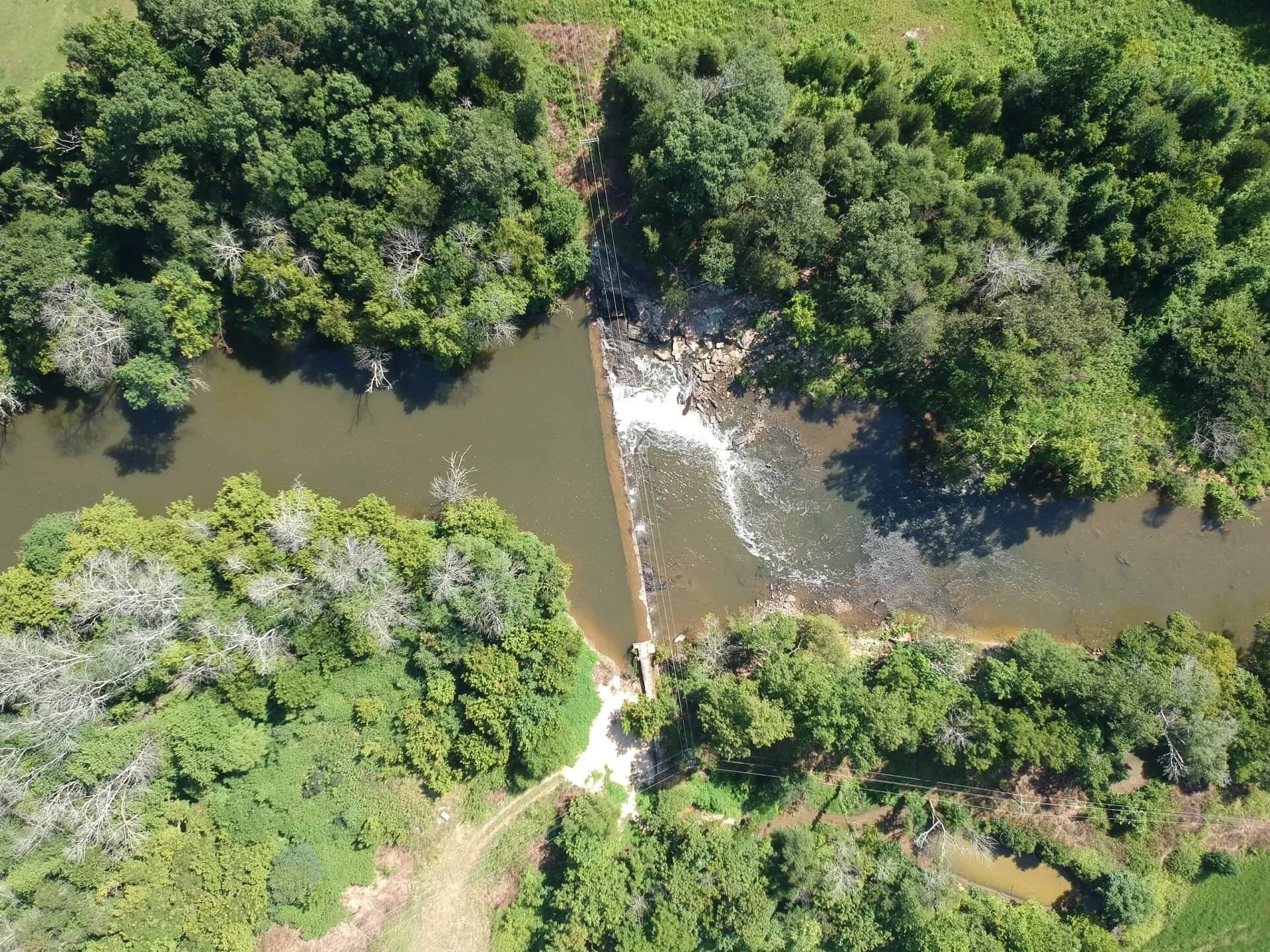
The Ossipee Mill Dam was built over 100 years ago to provide water and power to a nearby gristmill and cotton mill. While Glen Raven did not originally operate or own these mills, they purchased the property in the 1970s for warehouse use along with the dam.
Glen Raven is now investing in dam removal to provide ongoing environmental benefits to the local community and other downriver areas.
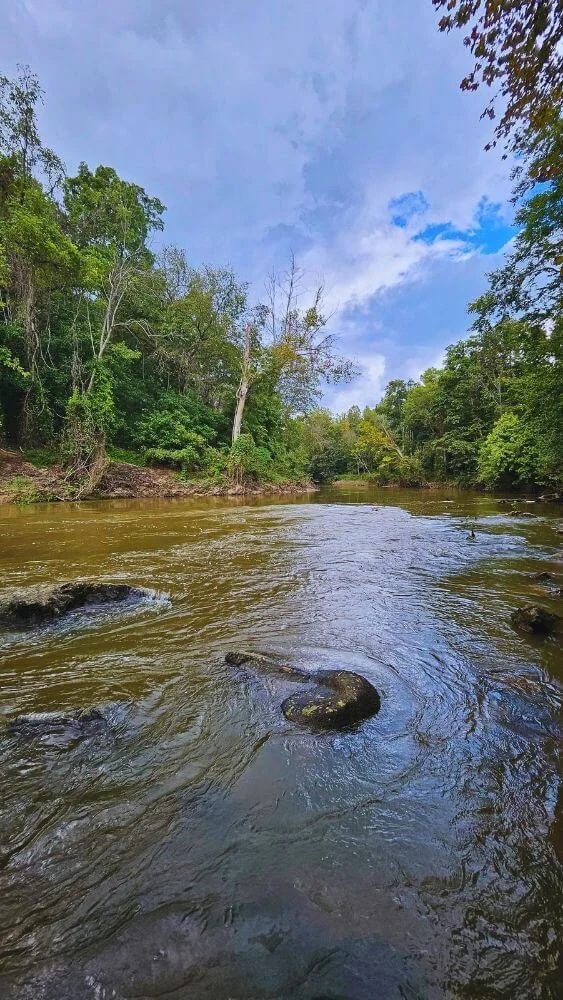
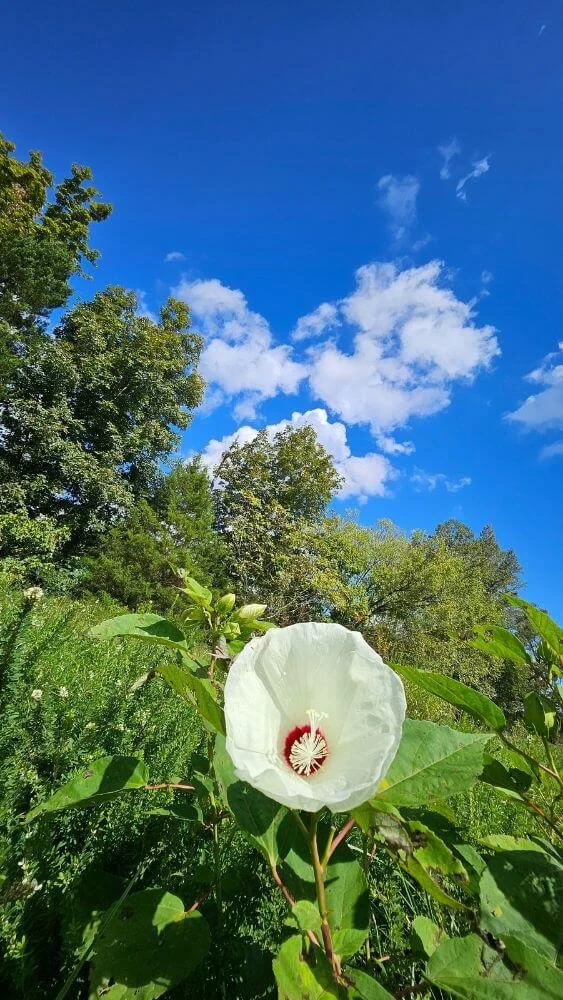
About a decade ago, Glen Raven took steps to preserve the site’s historic value by salvaging the high-quality wood and brick from the old mill buildings, repurposing these materials for new architectural projects. Although the dam remains on the property, it has served little purpose for decades.
Glen Raven has assessed the dam and decided the best option is to remove it and allow the river to return to its natural, free-flowing state. This will enhance aquatic habitats for wildlife, improve water quality, and restore connectivity between the Reedy Fork and Haw River ecosystems. The project will also include planting native vegetation along the stream banks to support the restoration of the aquatic ecosystem.

Ossipee Mill Dam Location
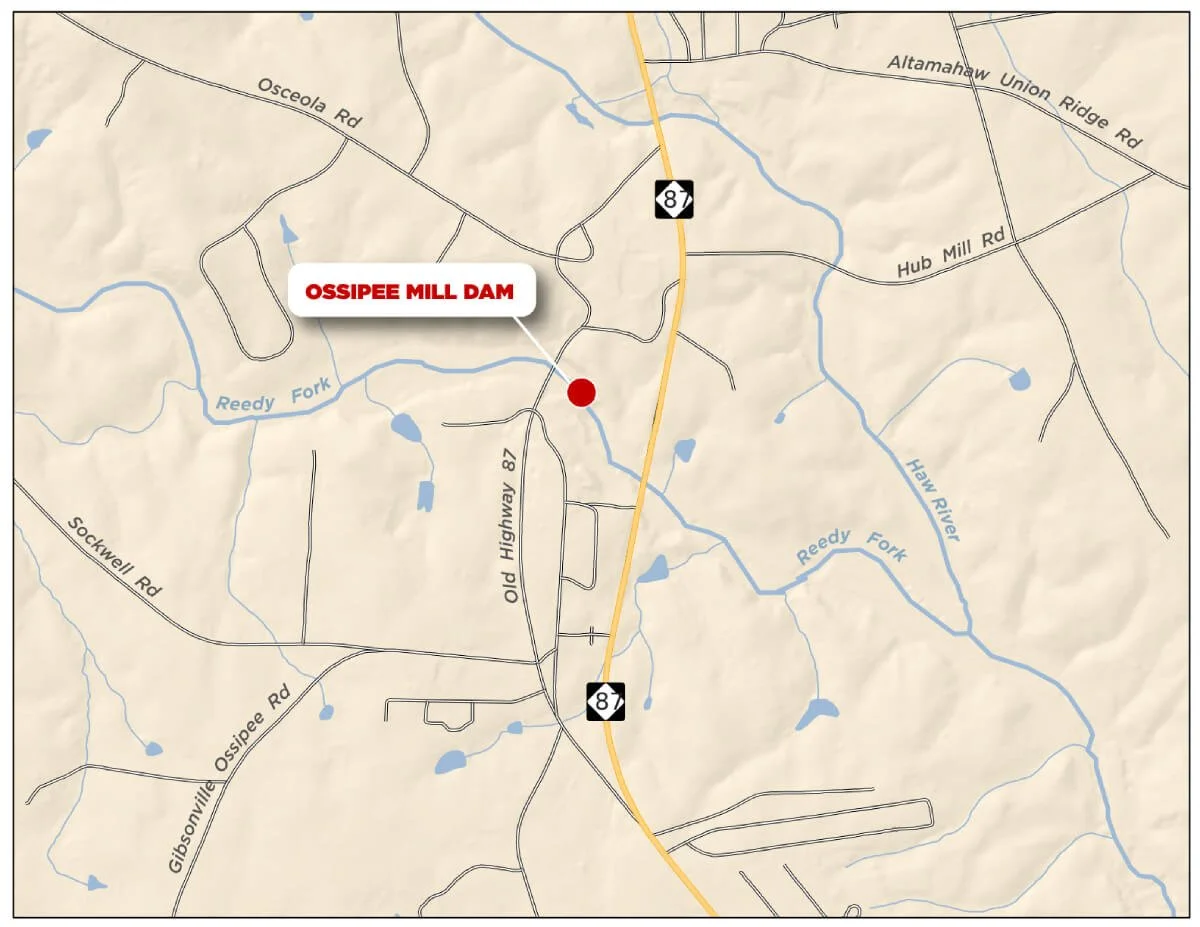
The Ossipee Mill Dam spans the Reedy Fork in Alamance County. The closest town is Ossipee, NC — just northwest of Burlington, NC. The dam is nearly one mile upstream from the confluence of the Reedy Fork and the Haw River The dam has created an impoundment stretching over two miles upstream into neighboring Guilford County. The dam is located entirely on private property and cannot be accessed by the public.
What are the environmental benefits of dam removal?
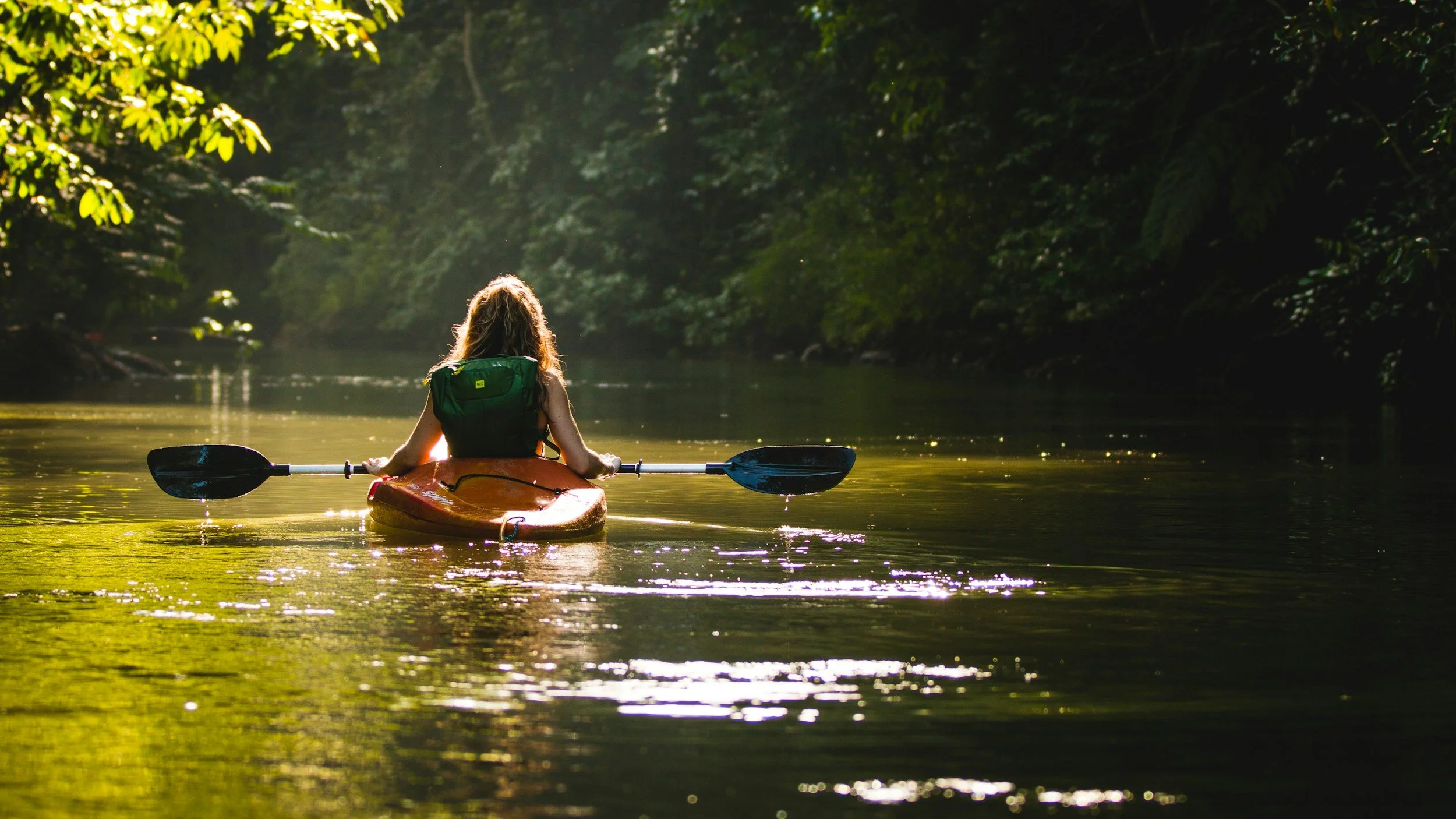
Removing dams, such as the Ossipee Mill Dam, can offer some great benefits to the environment. Since the Reedy Fork supplies water to municipal reservoirs, removing this dam could even contribute to improved water quality within the larger watershed.
What is a low-head dam?
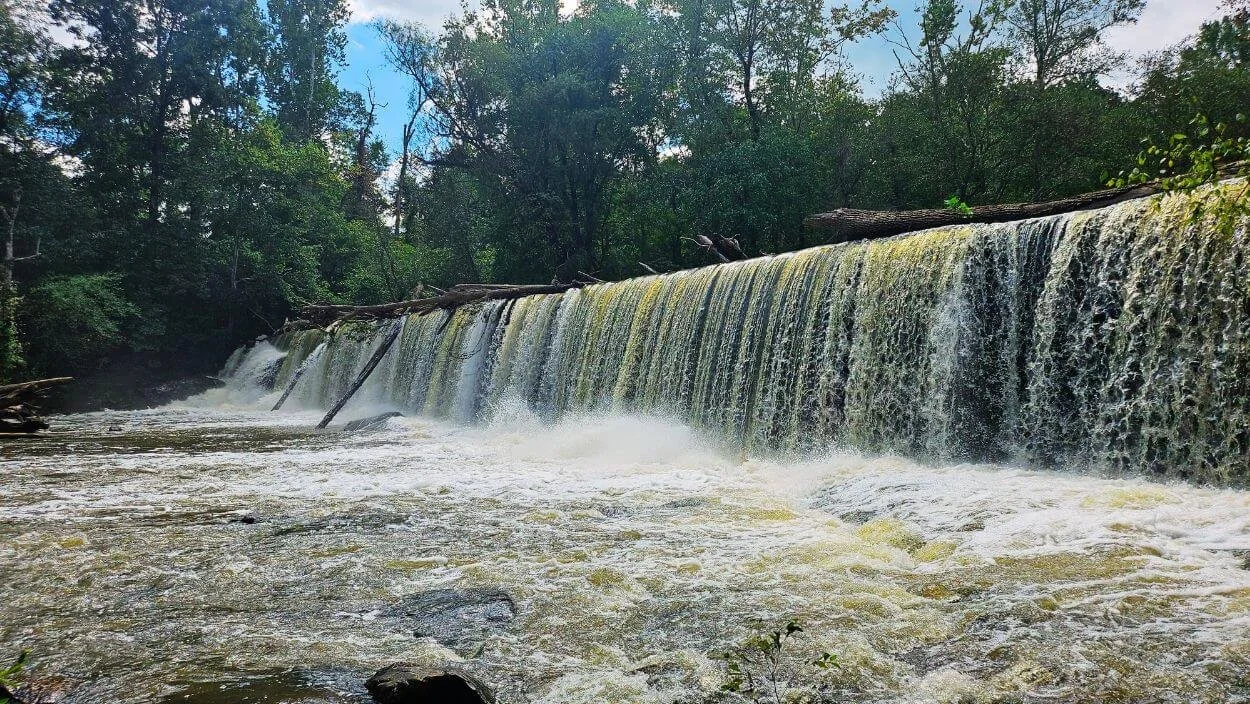
A low head dam, also known as a run-of-river or diversion dam, is a structure built across a stream that allows water to flow over its top. These dams were most often used to divert water into canals for purposes like running mills, generating electricity, or irrigation for agriculture.
However, low-head dams can cause significant impacts on the environment by blocking the movement of water, sediment, and aquatic organisms. This can lead to negative changes to the characteristics of the river and habitat.
Project Process
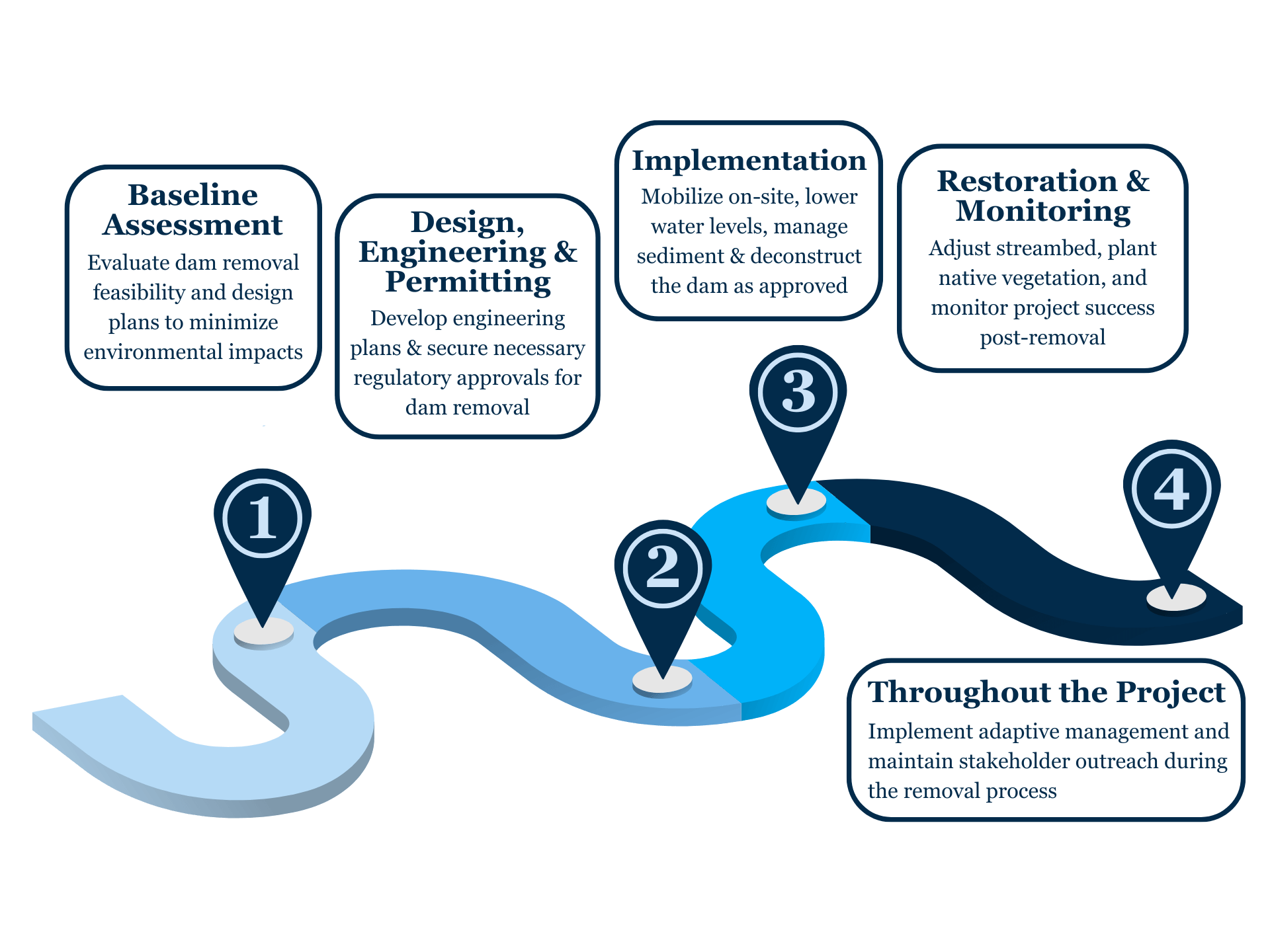
Removing a dam is a complex process aimed at restoring natural waterways and creating a safer environment. It begins with assessing the feasibility of removal to ensure safety and efficiency. The process includes obtaining necessary permits and implementing the removal while managing sediment and ecological impacts.
After the dam is taken down, restoration efforts are made to revitalize the ecosystem, with ongoing adjustments and communication with stakeholders to address challenges and ensure success.
-
The team will work with partners and consultants to perform studies to determine the feasibility of dam removal.
The information gained from the assessment will help ensure that the designs are safe, efficient, and that they minimize as many negative impacts as possible to nearby environments, resources, and infrastructure.
-
Next, information from the initial studies of the dam, stream, and surrounding environment will help guide the engineering plans for removing the dam and managing any sediment.
These design plans are then submitted for permits, which are reviewed by State and Federal regulating agencies including the US Army Corps of Engineers.
-
Once all plans are finalized and permitted, the project team can get started with the removal. The first step is identifying a construction (or rather deconstruction) team. Next, is the preparation of the site and placement of any needed controls. Then the approved steps for removing the dam will be executed.
While every dam removal is different, they generally include lowering the water level behind the dam, addressing trapped sediment, and deconstructing the dam itself either in small stages or all at once, depending on recommendations from the lead engineer.
-
After the dam has been removed, additional restoration work may occur including adjusting the streambed or replanting stream banks with native vegetation.
If included in the project design, there may also be a period of monitoring to determine if project goals were met.
-
Being able to adapt to changing circumstances is crucial for nearly every dam removal project. These projects can be complex, and having a flexible plan to handle unexpected challenges is key to keeping things on track. Equally important is engaging with community stakeholders.
We aim to maintain open communication throughout the process, considering input and feedback to ensure the project is successful and beneficial for the entire community.
Disclaimer
The information provided on this website is for general informational purposes only. While we strive to ensure that the content is accurate and up-to-date, we make no warranties or representations of any kind, express or implied, about the completeness, accuracy, reliability, suitability, or availability with respect to the website or the information contained on the website for any purpose. Any reliance you place on such information is strictly at your own risk. In no event will we be liable for any loss or damage including without limitation, indirect or consequential loss or damage, or any loss or damage whatsoever arising from the use of this website. Through this website, you may be able to link to other websites that are not under our control. We have no control over the nature, content, and availability of those sites.